
Article from American Rose
The Magazine of the American Rose Society, Spring 2026
Written by Chris VanCleave
Photos by Katelyn Daniels
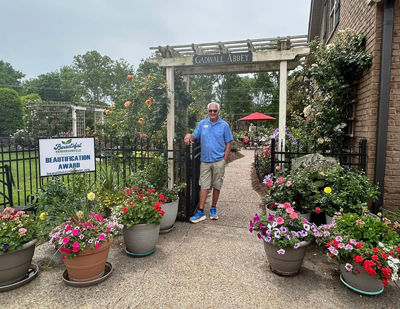
His garden, known as Gadwall Abbey Rose Garden, is a carefully designed landscape of beauty, learning, and hospitality that has earned admiration among rose enthusiasts and visitors alike.
Established in 2013, Gadwall Abbey is Daniels’ third rose garden. Experience shows in every detail. Rather than simply planting roses wherever space allowed, Daniels approached the project with clear priorities: accessibility, strong plant performance, and ease of care. The result is a garden that balances serious rose growing with thoughtful design.
Today the garden has more than 150 roses spanning an impressive range of classes. Visitors will find climbers reaching upward, sturdy shrub roses, exhibition hybrid teas, grandifloras, floribundas, miniatures, and minifloras. Old garden roses and species roses share space with modern varieties, including beloved selections from David Austin. Even tree roses add a vertical element to the display.
For a rosarian, variety is part of the joy. For Daniels, it is also part of the teaching opportunity.
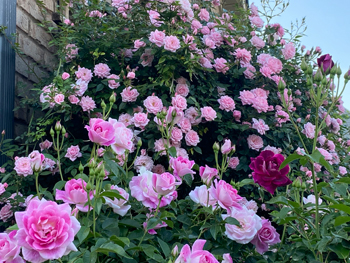 One of the most striking features of Gadwall Abbey is how methodically it was constructed. The roses are grown in raised beds filled with 28 inches of fully amended soil. None of the native soil was incorporated, allowing Daniels to create the precise growing conditions roses prefer. Beneath the surface, integrated drainage systems ensure the beds stay well-aerated and never waterlogged.
Watering is managed with equal precision. A Wi-Fi–controlled drip irrigation system delivers water directly to each plant through individual emitters. This approach conserves water while keeping foliage dry, reducing disease pressure and improving plant health.
It is a setup many rosarians would admire, but Daniels didn’t stop there.
Every rose in the garden is clearly labeled with its American Rose Society exhibition name, classification, and performance rating. That level of documentation turns a walk through the garden into an educational experience. For newcomers, it offers a chance to learn how different classes of roses perform. For experienced growers, it offers a rare opportunity to see a broad collection in a well-managed setting.
While roses are undeniably the centerpiece, Daniels deliberately designed the space as a complete garden. Companion plantings weave throughout the beds, including cut flowers, hardy hibiscus, and hydrangeas. These additions create depth and seasonal interest, softening the landscape while complementing the roses themselves.
Daniels describes the space not simply as a rose garden, but as a garden in which roses play the leading role.
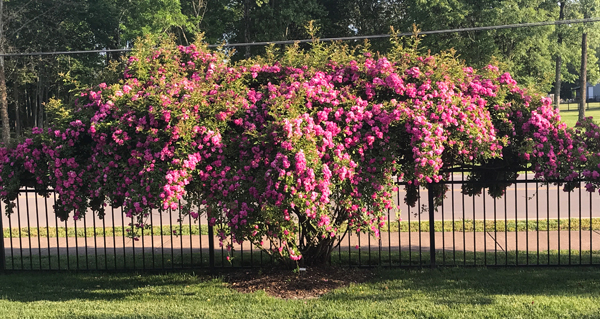
That philosophy becomes especially clear during the garden’s public open days. Twice each year, the gates open to visitors. The first occurs during the third week of May when spring bloom reaches its peak. The second takes place in October when the garden offers its colorful fall encore.
During these events, Daniels becomes both host and teacher. Visitors can take guided tours through the beds while learning about pruning techniques, cultivation practices, and the care of different rose classes. Workshops and live demonstrations provide practical instruction for gardeners eager to improve their own success with roses.
Promotion for these events comes through a blend of old and new methods: garden signage, social media outreach, direct invitations to garden clubs and Master Gardeners, and announcements during Daniels’ speaking engagements.
The garden’s reach has grown even further through media exposure. Gadwall Abbey was featured on the PBS program Volunteer Gardener, bringing Daniels’ work to viewers across multiple states. Online audiences can also explore the garden through YouTube videos produced under the title Glorious Garden on a Suburban Lot.
Yet what truly sets Daniels’ garden apart is the deeper purpose behind it.
For Daniels, roses are not merely ornamental plants. They are a vehicle for connection, encouragement, and ministry. The garden regularly welcomes groups from retirement communities, church widow ministries, and others seeking fellowship and respite.
 At times, individuals facing serious illness or nearing the end of life have visited the garden simply to experience its peace and beauty. In those quiet moments among the blooms, the garden becomes something more profound than a horticultural achievement. It becomes a place of reflection and comfort.
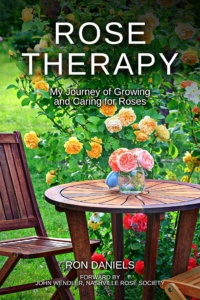
That spirit also carries into Daniels’ writing. His book, Rose Therapy, explores three themes that guide his approach to gardening and life: mentorship, ministry, and the cultivation of roses.
Taken together, the garden and the book reveal Daniels’ philosophy clearly. Growing roses is not just about perfect blooms or exhibition ribbons. It is about sharing knowledge, building community, and creating spaces where people can pause and breathe.
In an age when many gardens stay hidden behind fences, Ron Daniels has chosen a different path. By opening Gadwall Abbey to the public and sharing what he has learned, he reminds us that the best gardens are not only beautiful.
They are generous.